Scientists say mysterious tomb inscription may reveal Count Dracula’s burial place
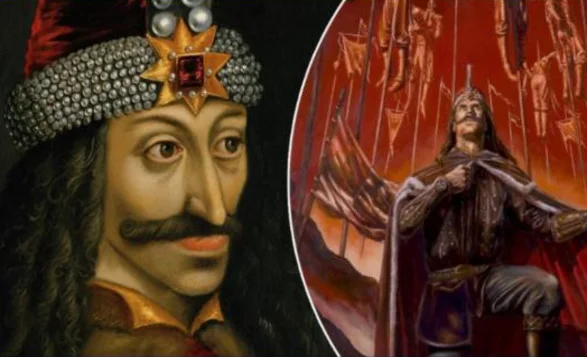
It became known that Italian scientists said that they had discovered the burial place of the ruler of Wallachia, Vlad Tepes.
He is also known as Count Dracula. The writer Bram Stoker chose him as the prototype of the hero of his novel.
It is reported that back in 2014, scientists suggested that Vlad Tepes could be buried in the Neapolitan church of Santa Maria la Nova.

Over the past 10 years, they studied the tombstone inscription from the Turbolo Chapel. After deciphering the text, the researchers concluded that it was related to Count Dracula.
At a conference in Romania, the scientists said the text is a panegyric to Vlad III.
It mentions “Vlad, ruler of the Wallachians,” who was killed twice, fled from his enemies, and went in peace, praising God, after which he was honored as a martyr.
The text was dated 1480. Scholars have determined that it was created from Ancient Greek with the addition of five widows of writing of Balkan origin.
Some historical sources say that Count Dracula was taken captive by the Turks. His daughter ransomed him and brought him to Italy, where he later died.
Video. Vlad the Impaler: The True Story of Dracula.
The findings have already sparked lively debate among historians and archaeologists. Many experts believe the inscription deserves further study before any final conclusions can be drawn.
Others point out that the life and death of Vlad III have long been surrounded by conflicting historical records, making it difficult to separate documented events from centuries of legend.
For hundreds of years, the final resting place of the Wallachian ruler has remained one of Eastern Europe’s greatest historical mysteries. Several locations in Romania have previously been suggested as his burial site, yet none has been universally accepted by scholars.
If the Italian team’s interpretation is eventually confirmed, it could rewrite an important chapter in the history of Vlad the Impaler and offer fresh insight into the final years of one of the Middle Ages’ most feared rulers.
At the same time, the legend of Count Dracula continues to live a life of its own. Bram Stoker’s famous novel transformed a historical prince into the world’s most recognizable vampire, blending real history with Gothic fiction.
Over the years, the line between the man and the myth has become increasingly blurred, ensuring that every new discovery attracts worldwide attention.
Whether the tomb in Naples truly belongs to Vlad III or not, the mystery is far from over. As researchers continue to examine historical documents and ancient inscriptions, the centuries-old question remains open.
Until definitive evidence is found, the story of Dracula will continue to exist somewhere between documented history, enduring folklore, and one of the world’s most captivating legends.