The Loch Ness Mystery Comes to Life: New Evidence of Nessie
In early spring 2026, the Scottish Highlands once again captured the world’s attention. After several years of relative quiet, two new sightings of the legendary monster, affectionately known as Nessie, were recorded in Loch Ness.
The first incident occurred on March 1st. American tourist Tony Inhorn, boating on the calm waters of the lake, suddenly saw a massive, dark-gray-green body rise from the depths just 4.5 meters away.
The creature remained on the surface for about five seconds, then silently sank back into the frigid depths. “I couldn’t believe my eyes,” Inhorn said. “It was a huge, yet graceful creature.”
His words quickly spread through the British media, including the Metro.
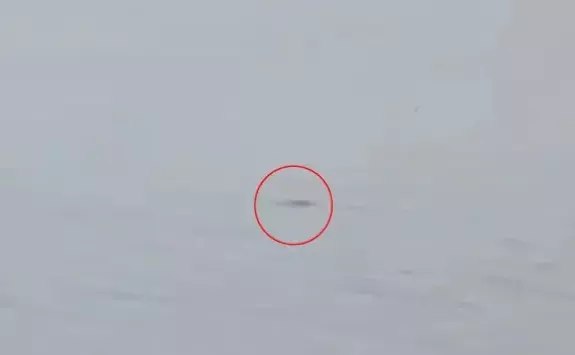
Just a few days later, around March 5th-7th, a second independent report was received. Local resident Eoin Fagan was monitoring the surface of the loch in real time via a webcam installed near a popular hotel in Drumnadrochit.
On the screen, he noticed a large object moving steadily against the current—an extremely unusual phenomenon for ordinary floating debris or an animal. Fagan immediately took screenshots and sent them to the official Loch Ness Centre.
The center’s specialists carefully examined the image but, as in most previous cases, were unable to provide a definitive scientific explanation.
VIDEO. First Capture of 2026, of Mysterious movement on VILN Clansman Webcam, Loch Ness.
Why does Loch Ness continue to captivate minds?
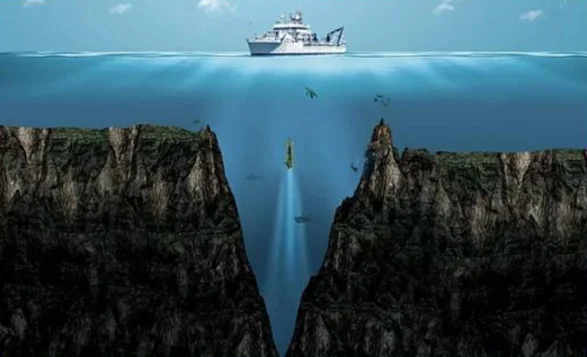
Loch Ness is one of the deepest and largest freshwater lochs in the UK (up to 230 meters deep and 37 km long). The dark, peaty water and complex bottom topography create ideal conditions for a large creature to remain undetected.
The legend of Nessie dates back to the sixth century—the first mention is associated with Saint Columba, who supposedly banished the “water beast” in 565. However, the real boom began in 1933 after the publication of the first modern accounts.
Since then, over a thousand official reports have been recorded. There have been both sensational photographs (the famous “surgeon’s photograph” of 1934 was later revealed to be a hoax) and serious scientific expeditions with sonar and underwater cameras.
Over the years, strange sounds, large objects detected by echolocation, and even tracks resembling plesiosaur flippers have been found in the lake. However, modern science in most cases attributes these “encounters” to optical illusions, floating logs, seals, or large catfish.
Despite this, interest in Nessie remains steadfast. Every year, thousands of tourists come to Drumnadrochit, visit the official Loch Ness Centre, watch live webcam streams, and even participate in “monster hunts.”
New evidence from March 2026 has already sparked a new wave of discussion on social media and among cryptozoologists. Many are wondering, what if this time someone finally manages to provide irrefutable proof?
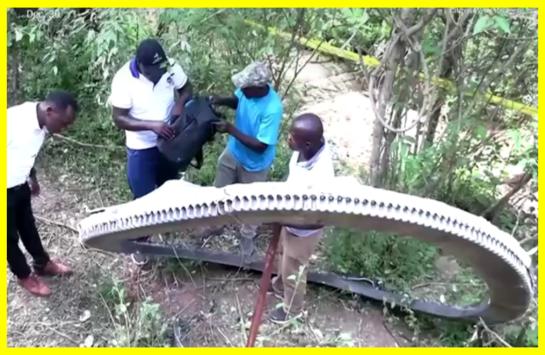
Previously, there were reports of a mysterious incident on the ISS. A strange object with long appendages was spotted there. Social media users saw a mysterious flying object on the International Space Station.