Scientists discover DNA from dozens of people, animals, and plants on the Shroud of Turin
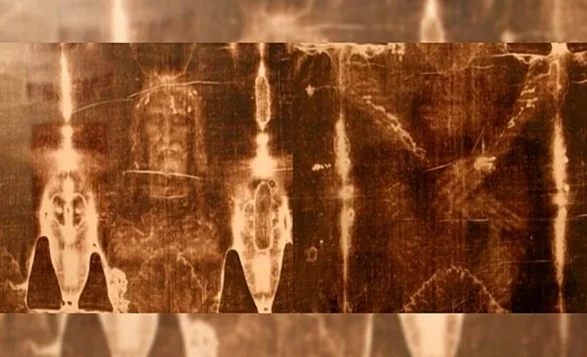
The Shroud of Turin, one of the world’s most debated religious relics, has once again attracted scientific attention. Researchers from the University of Padua used modern DNA analysis to examine biological traces preserved on the ancient linen cloth.
Their work revealed genetic material from numerous people, plants, and animals that came into contact with the fabric over many centuries.
The findings were published in the peer-reviewed journal Scientific Reports. Although the study provides new information about the relic, it does not settle the long-running debate over whether the Shroud of Turin was the burial cloth of Jesus Christ.
For centuries, millions of Christians have regarded the shroud as one of the most important religious relics. At the same time, many historians and scientists continue to question its true origin. Previous investigations have produced conflicting results, leaving the mystery unresolved.
The latest study focused on microscopic dust particles and organic material collected from the cloth in 1978.
Those samples were gathered during one of the largest scientific examinations ever conducted on the shroud. Modern genetic technology allowed researchers to analyze them with far greater precision than was possible decades ago.
Scientists identified DNA belonging to at least 14 different people. One genetic profile matched a researcher who handled the samples during the 1978 examination. The remaining DNA most likely accumulated as pilgrims, clergy, museum staff, and scientists came into contact with the cloth over hundreds of years.
The study also found genetic markers commonly associated with populations from the Middle East. Researchers detected additional DNA linked to people from the Indian subcontinent.
The authors stress that these findings do not prove where the linen was made. They only show that people from different regions came into contact with the relic during its long history.
Researchers say the results reflect centuries of handling, transportation, storage, and public exhibitions. Every event may have left microscopic traces on the ancient fabric.
VIDEO. The UnXplained: The Mystery Behind the Shroud of Turin | History.
Plant and animal DNA adds another layer to the mystery
The Shroud of Turin also contained DNA from a surprising variety of plants. Scientists identified traces linked to wheat, carrots, cucumbers, peppers, tomatoes, corn, potatoes, bananas, peanuts, almonds, and walnuts. These species originated in different parts of the world and reached the cloth over long periods of time.
Animal DNA was equally diverse. Researchers detected genetic material from dogs, cats, horses, cattle, pigs, chickens, rabbits, Atlantic cod, and mullet. They believe these traces accumulated naturally through environmental exposure and repeated human contact.
One important discovery involved crops such as corn, tomatoes, potatoes, and peanuts. These plants arrived in Europe only after the voyages of Christopher Columbus. Their presence shows that the shroud continued collecting biological material long after it first appeared in historical records.
Scientists emphasize that DNA evidence alone cannot determine the age of the cloth or confirm its authenticity. Genetic material can accumulate naturally through centuries of handling, conservation work, dust, and environmental contamination.
Even so, the research provides valuable insight into the history of the Shroud of Turin. Instead of proving or disproving its authenticity, the study reveals how many people and environments have interacted with the relic over time.
Researchers believe future studies combining genetics, archaeology, textile analysis, and advanced dating methods may provide a clearer picture of one of history’s most controversial artifacts.
It was previously reported that new DNA research on the famous Iceman named Ötzi yielded unexpected results. Scientists stated that his maternal DNA has not been found in any modern human.