A Nazi General Hid Raphael’s 1513 Painting Worth Over $100M
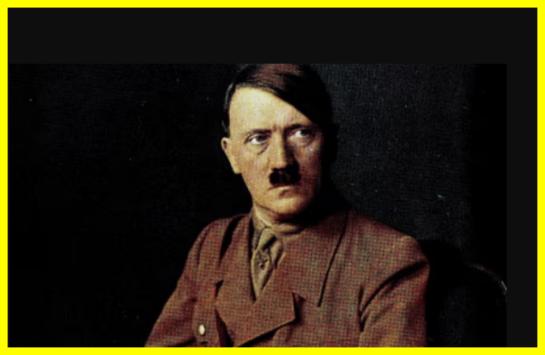
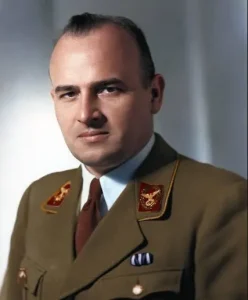
When American soldiers captured Hans Frank in May 1945, they uncovered a massive hoard of plundered European art. Frank served as the brutal Nazi governor of occupied Poland during the war.
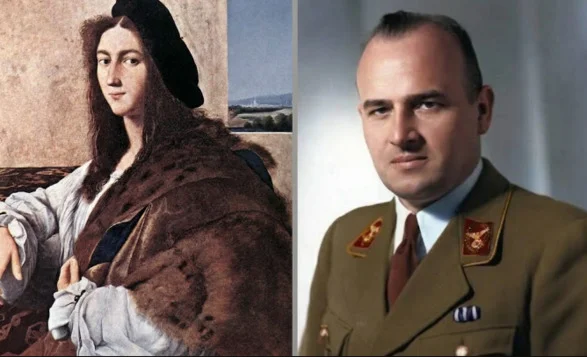
Inside his residence in Neuhaus, Bavaria, investigators recovered two renowned masterpieces: Leonardo da Vinci’s Lady with an Ermine and Rembrandt’s Landscape with the Good Samaritan. However, the most valuable painting in his looted collection had disappeared without a trace. It was Raphael’s Renaissance masterpiece, Portrait of a Young Man.
Painted around 1513 during the height of the High Renaissance, the canvas depicts a confident young nobleman draped in rich fur and fine linen.
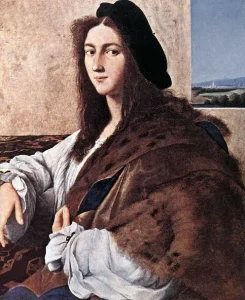
Art historians have long debated whether the figure is a self-portrait of Raphael himself. If that theory is true, its loss represents one of the most tragic artistic missing cases in human history, leaving a profound void in the study of Renaissance art.
Polish aristocrat Prince Adam Jerzy Czartoryski purchased the painting in Italy back in 1798. For over a century, it served as the undisputed crown jewel of the Princes Czartoryski Museum in Kraków.
When Nazi Germany invaded Poland in September 1939, the royal family scrambled to protect their country’s national heritage. They carefully packed their finest artworks and hid them inside a secret basement vault at their estate in Sieniawa.
Their defensive effort was short-lived. Gestapo agents discovered the secret vault, broke through the walls, and confiscated the entire collection. The stolen treasures were delivered straight to Hans Frank, who used them to decorate his personal residences across Kraków, Berlin, and southern Germany as symbols of imperial power.
Vanishing Convoys and Cold Trails
By late 1944, the Third Reich was collapsing under advancing Allied and Soviet forces. Desperate Nazi officials ordered the rapid evacuation of stolen cultural wealth westward to prevent capture. Official military manifests and postwar testimonies placed Raphael’s portrait at Palace Muhrau in Lower Silesia in January 1945. That brief sighting remains the final confirmed location of the painting in historical records.
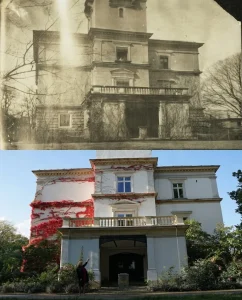
When the famous Monuments Men searched Frank’s estate after the German surrender, they discovered the original wooden frame sitting empty. Decades of intense international investigations followed. Art retrieval specialists examined transport records, interrogated former Nazi officers, and searched underground bunker networks across Central Europe. Yet every promising lead eventually went cold.
VIDEO. A Raphael Lost in WWII — Or Was It?
An Unsolved WWII Enigma
More than eight decades later, nobody knows whether the $100 million masterpiece survived the chaotic end of World War II. Some researchers suspect a fleeing SS officer hid the canvas inside a private bank vault in Switzerland.
Others fear the masterpiece was destroyed in heavy Allied artillery bombardments or remains buried in a forgotten Alpine tunnel. Alternatively, the portrait might hang silently in an undisclosed private collection somewhere in the world.
Today, inside the Princes Czartoryski Museum in Kraków, an empty wooden frame still hangs on the gallery wall. It stands as a silent monument to a lost masterpiece, waiting for the day its true location is finally revealed.
Source of information: Wikipedia. Czartoryski museum
It was previously reported that scientists had discovered DNA from dozens of people, plants, and animals on the ancient Shroud of Turin. New information about its history reveals the people who came into contact with this cloth over many centuries.