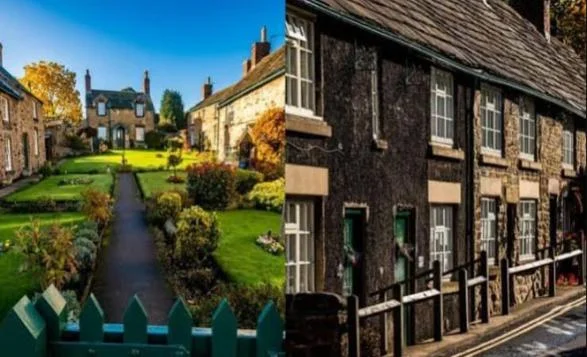
Historic Character of Wentworth, Britain’s Strictest Village
Imagine moving into a beautiful English village and discovering that you cannot simply choose the color of your front door. In Wentworth, that is part of the deal.
The picturesque village in South Yorkshire has become known for its unusually strict approach to preserving its historic appearance. Located about nine miles from Sheffield, Wentworth is part of an estate managed by the Fitzwilliam and Wentworth Trust.
At first glance, the rules may seem excessive. Look closer, however, and it becomes clear why the village has managed to retain such a distinctive character.
One of the most recognizable requirements concerns front doors. They are expected to be painted in Wentworth Green, a distinctive shade associated with properties belonging to the estate.
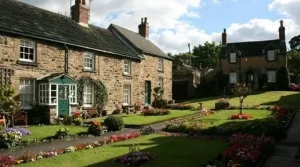
According to the estate’s head of estate, the unusual color is intended to identify the houses as estate properties. Not everyone likes the shade, but many residents apparently appreciate the traditional appearance.
The restrictions do not stop at the front door. The village homes are built largely from locally quarried honey-colored sandstone, while windows traditionally use white or off-cream paint.
Even the smallest renovation can require careful consideration. Recognized contractors familiar with the village’s Georgian architecture are used for work on the historic cottages.
Symmetry is particularly important. Windows, doors and even gutters are expected to fit the established architectural style rather than stand out from neighboring buildings.
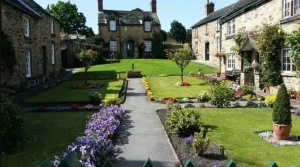
Gardens are another part of the village’s carefully maintained appearance. Residents are strongly advised to keep lawns and trees neat, although this is presented differently from the more formal requirements concerning the buildings.
There is also an unusual arrangement involving the homes themselves. Properties in the village are rentals rather than ordinary houses available for purchase on the open market. Some long-established families have traditionally been able to pass rental arrangements to the next generation.
Wentworth’s commercial life is equally restrained. Instead of rows of modern chain stores and fast-food outlets, the village has a small selection of traditional businesses, including the Village Shop, a cafe and two pubs.
That limited choice is not necessarily viewed as a problem by locals. Some residents say the absence of modern commercial development helps Wentworth feel like a place from another era.
Tourism brings another challenge. Wentworth Woodhouse and the nearby garden centre attract large numbers of visitors, increasing traffic through the village.
The current speed limit is 30 mph, but residents have been campaigning for it to fall to 20 mph. For them, preserving Wentworth is not only about buildings and gardens, but also about keeping the village safe and peaceful.
For some people, these rules would be frustrating. For others, they are precisely what makes Wentworth one of Britain’s most unusual historic villages.
The history of Wentworth stretches back almost a thousand years. The village dates to at least 1066, and it was already recorded in the Domesday Book in 1086.
For centuries, Wentworth was closely connected with the powerful Wentworth, Watson and Fitzwilliam families. Their estates and development of the surrounding land gradually shaped the distinctive character that residents are now expected to preserve.
Want to learn more about Wentworth? Discover more about the village, its history, architecture and efforts to preserve its unique historic character:
- Wentworth Village Design Guide
- Wentworth Woodhouse — The Story
- Wentworth, South Yorkshire — Wikipedia
It was previously reported that after nearly 90 years, a sunken ghost town has resurfaced in Lake Mead. Due to hot weather and drought, the water level began to recede, revealing the historic town of St. Thomas and its forgotten buildings and streets.