Scientists Discover a Previously Unknown Alloy Created by the Hiroshima Atomic Bombing
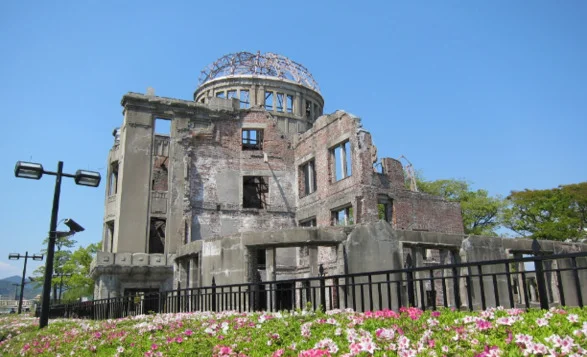
More than 80 years after the atomic bombing of Hiroshima, scientists have found something unexpected hidden in its microscopic fallout. Researchers identified a previously unknown multicomponent metallic alloy formed during the nuclear explosion.
The discovery comes from a team led by Luca Bindi of the University of Florence. The study was published in Science Advances and examines tiny glassy particles created by the extreme conditions of the 1945 explosion.
Scientists call these unusual particles hiroshimites. They formed when the enormous heat of the atomic blast melted and vaporized materials around the explosion.
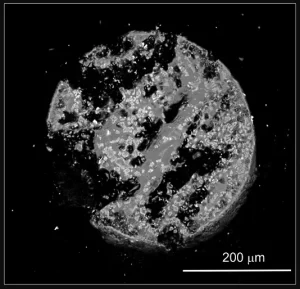
The material then cooled rapidly and became trapped in microscopic glassy particles. Researchers examined one of these particles in detail and found a tiny metallic inclusion with an unusual chemical composition.
The alloy contains iron, chromium, nickel, manganese, molybdenum, silicon, and aluminum, along with other elements. Its atomic arrangement also differs from previously described materials.
The researchers believe the alloy formed during the extreme conditions created by the Hiroshima nuclear explosion. The enormous fireball vaporized a mixture of building materials, soil, metals, and other substances.
These materials were then mixed inside the expanding fireball. As the temperature fell rapidly, the vaporized elements began to condense and form new structures.
VIDEO. Hiroshima & Nagasaki: The Footage You Weren’t Supposed to See. YouTube channel Free Documentary – History.
Extreme conditions created an unusual metallic alloy
The process was very different from conventional material production. A nuclear explosion produces enormous temperatures and pressure changes within an extremely short period.
This rapid transformation can create materials that would be difficult to produce under normal laboratory conditions. The researchers believe the unusually fast cooling helped preserve the alloy’s structure.
The resulting material remained hidden inside a tiny piece of hiroshimite for more than eight decades. Only detailed microscopic and chemical analysis allowed scientists to identify its unusual characteristics.
The discovery is important because it provides a physical record of the extreme chemical environment created by a nuclear explosion. It also shows how quickly atoms can combine into unexpected structures when normal conditions are disrupted.
According to the researchers, similar processes may occur during other extreme events. These could include powerful meteorite impacts and other high-energy phenomena that produce intense heat followed by rapid cooling.
The new alloy is not simply a historical curiosity. Studying its composition and structure may help scientists better understand materials created far from normal thermodynamic conditions.
However, researchers do not suggest that nuclear explosions could be used as practical methods for producing new materials. The conditions are extremely destructive and difficult to control.
Instead, the Hiroshima sample offers scientists a rare opportunity to study what happens to matter during an event that cannot easily be recreated in an ordinary laboratory.
The discovery also demonstrates the scientific value of preserving microscopic material from major historical events. Particles formed during the Hiroshima atomic bombing can still reveal new information more than 80 years later.
Further analysis of hiroshimites could reveal additional unusual compounds or structures hidden inside these microscopic particles. Researchers may therefore continue examining material created during the explosion for other previously unknown phases.
The newly discovered alloy provides another example of how extreme environments can produce unexpected forms of matter. What began as microscopic debris from the Hiroshima explosion has now become a valuable subject for modern materials science.
The discovery also carries a reminder of the human cost behind the science. The atomic bombing of Hiroshima caused enormous loss of life and suffering, and its consequences continue to be remembered decades later.
Any future nuclear war would bring catastrophic consequences for civilians and the environment, making the prevention of nuclear conflict as important as understanding the science left behind by past explosions.
It was previously reported that the secret hidden beneath the tomb of China’s first emperor, Qin Shi Huang, may finally be revealed. Researchers discovered unusual concentrations of mercury vapor above the ancient burial site.