
Eating your first meal after noon may raise the risk of heart disease, study finds
The time of day when people eat may be linked to long-term health. A large US study found that people who regularly started eating later had a higher risk of premature death.
The strongest association appeared among those whose first meal came after midday. Researchers found that this group had a particularly high risk of dying from cardiovascular disease. The European Journal of Clinical Nutrition reports on this in more detail.
The study analyzed health information from 31,044 Americans aged 40 and older. The data was collected between 1999 and 2018. During an average follow-up period of 8.6 years, 7,129 participants died, including 2,259 deaths caused by cardiovascular disease.
Scientists compared participants based on the time of their first meal. People who started eating between 7 and 8 AM were used as the reference group.
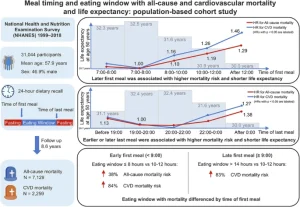
Those who ate their first meal between 8 and 10 AM had a 10 percent higher risk of death from all causes. For people who started eating between 10 AM and noon, the risk was 19 percent higher.
The highest difference was found among those who began eating after noon. This group had a 29 percent higher risk of death from all causes compared with people who ate earlier.
Late eating was associated with a higher risk of cardiovascular disease
The connection was even stronger when researchers looked specifically at heart-related deaths. People who had their first meal after midday showed a 46 percent higher risk of dying from cardiovascular disease.
According to the researchers’ calculations, people aged 50 in this group had an average life expectancy that was 2.46 years shorter.
The study also examined the timing of the last meal. Researchers found a U-shaped relationship between the end of daily eating and mortality risk.
Compared with people who finished eating between 7 and 8 PM, those who stopped before 7 PM had a 13 percent higher risk of death. Eating after midnight was linked to a 27 percent higher risk.
The length of the daily eating period did not show a consistent connection with mortality after researchers considered the timing of the first meal.
Scientists suggest that late eating may affect the body’s circadian rhythm. This internal biological clock regulates metabolism, hormones and energy use throughout the day.
However, the researchers emphasize that the study does not prove that late meals directly cause heart disease or early death. It only shows an association between eating patterns and health outcomes.
Other factors may influence the results, including sleep habits, night-shift work, existing diseases and personal biological rhythms.
The findings add new information about the relationship between meal timing, cardiovascular health and longevity. Future research will help determine whether changing eating schedules can improve long-term health.
It was previously reported that seeking help from ChatGPT helped a British woman identify a rare condition. This happened after doctors had been treating the woman for anxiety disorder for a year before she nearly died.