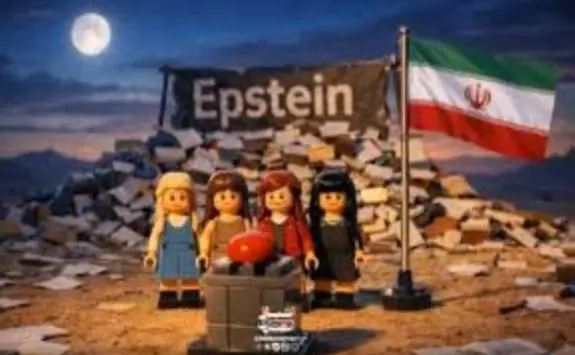
YouTube Blocked Channel That Mocked Trump
It has been reported that YouTube has blocked the channel of the pro-Iranian media group Explosive Media, accusing it of violating the platform’s rules.
The decision followed the release of another satirical video that humorously mocked Iran’s “victory” over the United States and mocked Trump.
This was reported by the French newspaper Le Figaro, and was later confirmed by other international media outlets.
The Explosive Media group quickly gained popularity thanks to short animated videos created using artificial intelligence.
The visual style is reminiscent of the famous Lego cartoon: brightly colored plastic figures, dynamic editing, and recognizable images of world leaders.
The videos often featured scenes of missile strikes, military equipment, burning American symbols, and cartoonish images of Donald Trump.
These videos garnered millions of views in a matter of days and were widely shared among English-speaking audiences far beyond Iran.
Reason for the Block and YouTube’s Response
The official reason for the block was a violation of YouTube’s policies regarding spam, deceptive practices, and violent content.
A platform representative stated that the channel was completely removed after a thorough review.
The blocking occurred just hours after the publication of yet another video that had gained immense popularity.
Explosive Media itself responded with irony, asking, “Seriously? Are our LEGO-style animations really ‘violent content’?”
Many analysts suspect Explosive Media of close ties to the Islamic Revolutionary Guard Corps. However, the creators themselves categorically deny these accusations.
The case of Explosive Media vividly demonstrates the new reality of digital conflict: cheap AI tools make it possible to quickly create viral content.
Experts note that such “meme wars” are becoming a fully-fledged soft power tool on par with traditional media.
The Iranian Foreign Ministry has already condemned YouTube’s decision, calling it an attempt to “suppress the truth” about regional events.
At the same time, platforms are increasingly faced with the dilemma of where to draw the line between satire and coordinated disinformation.