Massive floods hit Nepal near China border as hundreds of tourists remain missing
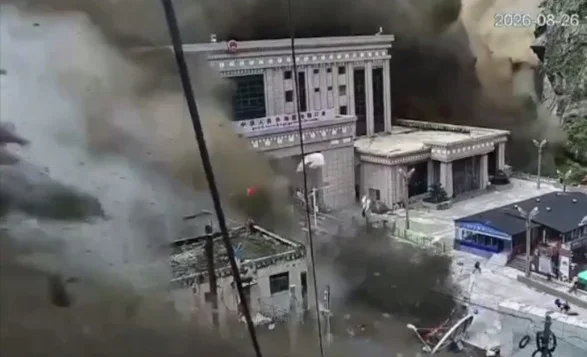
A devastating flash flood struck Nepal’s Rasuwa district near the China border on August 26, 2026. The disaster sent a massive surge of water, mud and debris through mountain settlements along the Bhote Koshi River.
At least 95 people have died in the Nepal floods, while hundreds remain missing. The Nepal Tourism Board has reported 384 missing travelers, including hundreds of foreign nationals. The death toll could rise as rescue teams reach areas cut off by the disaster.
The Nepal Tourism Board reported 384 tourists and travelers as missing. The preliminary list includes 291 foreign nationals and 93 citizens of Nepal.
Among the missing foreigners are citizens of India, Britain, the United States, Australia, the Netherlands and Malaysia. Authorities are still working to confirm the identities and locations of many people.
Nine police officers stationed near the Nepal-China border were also reported missing. Search teams have been deployed across areas affected by the Nepal floods.
Rescue crews have already managed to save at least 25 people. Fourteen helicopters have been involved in the emergency response. Mountainous terrain and damaged roads are making the operation especially difficult.
The disaster began when the Bhote Koshi River suddenly rose to dangerous levels. The river originates in the Tibetan region before flowing through northern Nepal.
The settlements of Timure and Syabrubesi were among the hardest-hit locations. Fast-moving water flooded residential areas and market districts within a short period.
Floodwaters also damaged police posts and hydropower facilities. Several roads and bridges were destroyed or seriously damaged. The destruction has made access to some communities extremely difficult.
The flood also disrupted transport links toward the Rasuwagadhi border crossing with China. This route is important for trade and movement between Nepal and Tibet.
Officials are investigating what caused such a sudden rise in the river. One possible explanation is a landslide in Tibet that may have released a huge volume of water downstream.
Other reports have pointed to a possible avalanche or ice-rock collapse in the mountainous area. Investigators are expected to examine the upper reaches of the river to determine what triggered the disaster.
The situation remains dangerous because additional debris could block the river. A sudden release of water from such a blockage could create another flash flood in Nepal.
Rescue teams are continuing to search for missing tourists, local residents and security personnel. Authorities are also assessing the damage to roads, bridges and hydropower infrastructure.
The disaster highlights the extreme risks faced by communities and travelers in the Himalayas. Remote valleys can be especially vulnerable when floods, landslides and other sudden natural hazards occur.
It was also previously reported that more than 500 people were killed and 400 were missing as a result of devastating floods and landslides caused by a rare tropical cyclone in Indonesia.