Remote Alaska Rivers Turn Bright Orange From Toxic Pollution
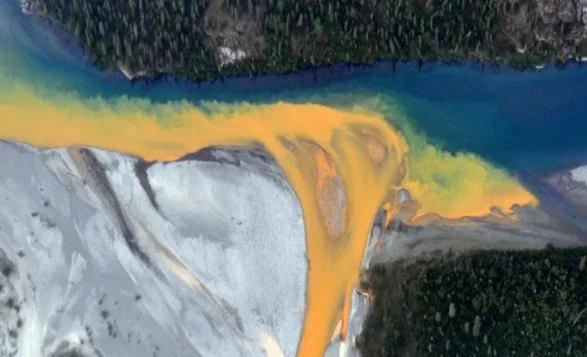
Unspoiled Arctic waterways in Alaska are experiencing a sudden transformation. Once pristine streams are turning a striking rust-orange color. Experts link this unusual contamination directly to thawing permafrost.
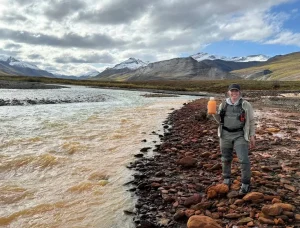
The ecological change is taking place across the remote Brooks Range. Clear mountain streams now exhibit heavy orange discoloration. The situation is particularly alarming because the area lacks industrial activity or active mines.
Rising global temperatures are triggering deep permafrost thaw. Meltwater penetrates ground layers that remained frozen for millennia. This water reaches ancient subterranean rock deposits and minerals. Science Alert writes about the new study.
Exposed minerals react with oxygen and moisture to produce acidic runoff. Released iron oxidizes and stains the riverbed bright orange. Other dissolved metals travel further down the drainage system.
Field research conducted between 2022 and 2024 evaluated six Alaskan watersheds. Water analysis revealed dangerous levels of iron, zinc, aluminum, and nickel. Tests also identified cadmium, manganese, and rare earth minerals.
In smaller tributaries, water chemistry matches toxic acid mine drainage. Larger river systems somewhat dilute acidity levels. However, heavy metal contaminants continue moving downstream unchecked.
The Salmon River showed particularly severe contamination spikes. Toxic metal readings reached 70 times baseline levels. These extreme measurements occurred over 100 kilometers downstream from the source.
Monitoring data indicates the process accelerated around 2019 and 2020. Extended heatwaves rapidly melted deep ground layers. This altered how subsurface water flows through Arctic ecosystems.
VIDEO. Alaska’s Rusting Rivers: The Alarming Impact of Permafrost Thaw on Arctic Rivers. UC Davis CAES YouTube channel.
Scientists continue analyzing the long-term environmental damage. Ongoing contamination threatens local fish populations and freshwater wildlife. Indigenous communities relying on these rivers also face potential health risks.
This environmental hazard stems from natural geologic deposits. Changing atmospheric conditions are unlocking hazardous elements long trapped beneath frozen soil.
Previously, reports emerged of a mysterious, giant killer shark, Sharkzilla, which attacks seals and whales. Experts have begun studying and tracking this enormous predator off the coast of New York to check for nuclear mutations.