DNA Solves 65-Year-Old Murder of 8-Year-Old Girl
For more than six decades, the brutal killing of an eight-year-old girl haunted investigators in Chicago. The child disappeared while walking to church in 1960. Despite a massive search and years of unanswered questions, the person responsible remained unidentified.
Now, advances in forensic science have brought the case to a startling conclusion. The Chicago Tribune reports on this historic 60-year-old mystery.
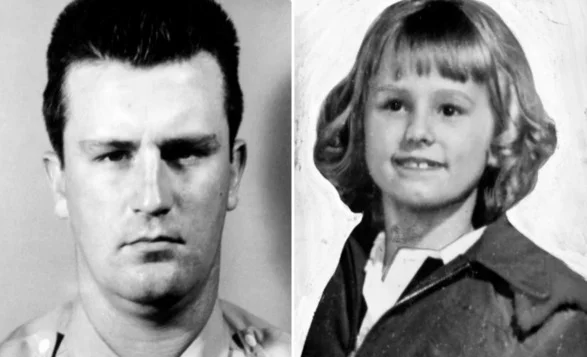
The name uncovered by investigators was particularly disturbing. Their findings pointed to Thomas Francis McInerney Jr., a former Chicago police officer who later became a homicide detective. He spent 28 years serving in the department responsible for investigating the girl’s death.
Gloria Kowalewicz left her home in Chicago’s West Englewood neighborhood on November 12, 1960. She was heading to a nearby church to receive communion. The eight-year-old never arrived.

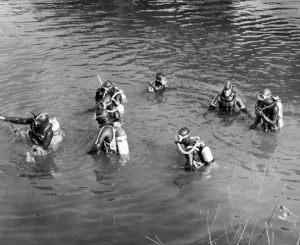
A large search operation followed. Police officers were joined by firefighters, veterans, Boy Scouts and other volunteers. Gloria’s body was eventually discovered in a wooded area several miles from her home. She had suffered two fatal gunshot wounds to the head.
Investigators pursued leads and questioned numerous people. Witnesses reportedly recalled seeing the girl with an unknown man before her disappearance. However, the evidence available at the time failed to identify a suspect.
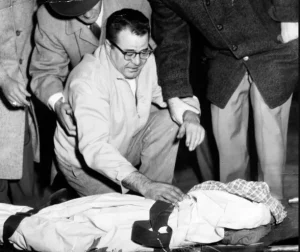
The investigation might have remained unresolved indefinitely if crucial evidence had not been preserved. Police retained items from the crime scene, including Gloria’s coat, shoes, a bullet and her white communion purse. Investigators had also recovered a fingerprint from the purse’s strap.
Decades later, developments in DNA testing offered a new path forward. Investigators used genetic genealogy to help identify a potential suspect. The technique can compare crime-scene DNA with genetic information linked to family trees, helping researchers trace possible relatives of an unknown person.
The DNA findings led investigators to McInerney. Further forensic work, including fingerprint and ballistic analysis, helped establish the connection between him and the crime.
McInerney was 24 when Gloria was killed. He had joined the Chicago Police Department shortly before the murder and later worked in its homicide division. After retiring from the force in 1987, he continued working as an investigator for the federal public defender’s office.
But there would be no courtroom confrontation. McInerney died in Las Vegas in 2006, aged 70, nearly two decades before investigators publicly identified him in connection with Gloria’s killing.
The discovery has raised painful questions about how a man who served in law enforcement could have remained unidentified for so long. Authorities have also been examining whether he might be linked to other unsolved crimes.
For Gloria’s family, the breakthrough offers answers that had seemed impossible to obtain. Her brother, Adam Kowalewicz, expressed frustration that the man identified by investigators never faced justice in court.
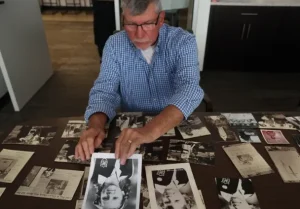
The case demonstrates how evidence once considered insufficient can become decisive as forensic technology advances. Yet the discovery cannot undo the loss suffered by Gloria’s family, whose parents died without learning who investigators would eventually identify as responsible.
We previously reported on a mysterious murder case that occurred 40 years ago. Police have reopened the case and are searching for the killer of a 21-year-old woman after the man innocent of her murder was released from prison after serving 38 years.