William Patrick Hitler: from Roosevelt to the US Navy
In the middle of World War II, an unusual letter arrived at the White House. Its author was William Patrick Hitler, the nephew of Adolf Hitler. He was asking US President Franklin D. Roosevelt for permission to join the American armed forces and fight against the regime led by his own uncle.
For William, however, getting into uniform was not as simple as walking into a recruitment office. His surname had become an obstacle, and his family connections raised questions about where his loyalties really lay.
William Patrick Hitler was born in Liverpool, England, in 1911. His father, Alois Hitler Jr., was Adolf Hitler’s half-brother. William grew up far from the political world that would eventually make his surname infamous.
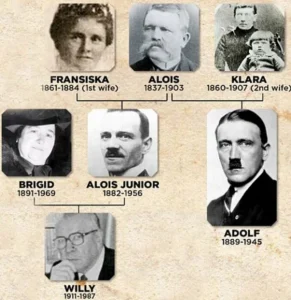
His relationship with his uncle was far from warm. In the 1930s, William travelled to Germany, hoping to benefit from Adolf Hitler’s growing political influence. But the two men eventually fell into conflict. William became increasingly dissatisfied with his position and later spoke publicly against his famous relative.
In 1939, he left Germany and travelled to the United States with his mother, Bridget Dowling. When America entered World War II, William wanted to take an active part in the fight against Nazi Germany.
He initially encountered difficulties when attempting to enlist. His family background and unmistakable surname made his situation unusual, even by wartime standards.
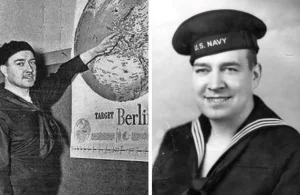
William decided to take his case directly to the White House.
On March 3, 1942, he sent Roosevelt a three-page letter explaining his circumstances. He openly identified himself as the nephew of the German leader and described the Nazi regime as a threat to freedom. He also expressed his desire to join the American forces and fight alongside those opposing Hitler.
Roosevelt forwarded the letter to FBI Director J. Edgar Hoover. The bureau conducted an investigation, interviewing William and people who had known him since his arrival in America. The resulting report found no evidence that he was involved in subversive activities.
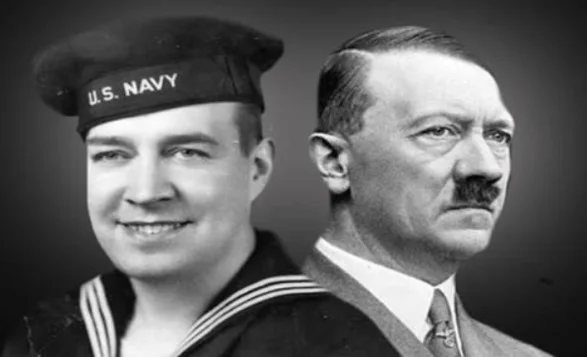
On March 6, 1944, William Patrick Hitler was officially inducted into the United States Navy. Newspapers seized on the remarkable headline: the nephew of Adolf Hitler was now serving in America’s armed forces.
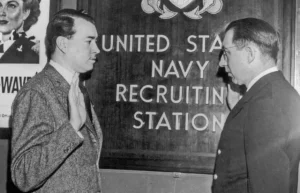
William served as a pharmacist’s mate, a position involving medical assistance to military personnel. His naval service continued until 1947, after the defeat of Nazi Germany.
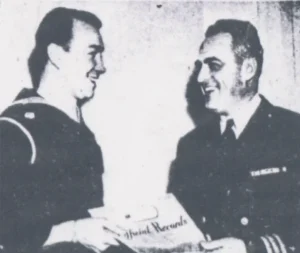
William no longer wanted to live under a surname associated with one of history’s most notorious dictators. He changed his name to William Patrick Stuart-Houston, married Phyllis Jean-Jacques and settled on Long Island, New York.
The couple had four sons. William built a quiet civilian life, eventually running a laboratory that conducted blood tests for hospitals.
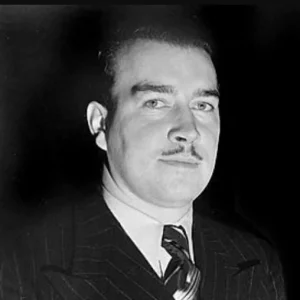
He died on July 14, 1987, aged 76. By then, the man who had once needed a presidential intervention to join the American military had spent decades living under a different identity.
His story remains one of the strangest family episodes of World War II: a man whose surname connected him to the Nazi leadership, but who chose to serve in the armed forces fighting against it.
More information: The United States Navy Memorial.
It was previously reported that history buffs have returned to a question that has troubled them for years: Did Hitler murder his niece in 1931? This came after the discovery of death registry records that disprove the Nazi leader’s 95-year-old alibi for the murder of his niece, Geli Raubal.