Poland Asks NATO to Intercept Russian Missiles and Drones
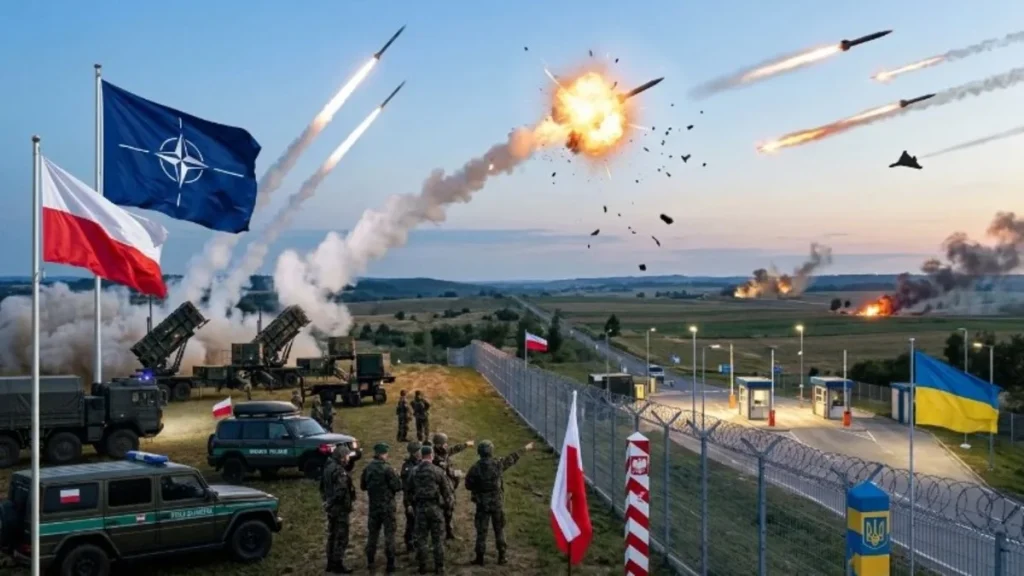
Polish authorities are reportedly pushing for a more aggressive approach to defending their airspace, as Russian attacks on Ukraine increasingly threaten the country’s security. Warsaw wants NATO to consider shooting down Russian missiles and drones while they are still over Ukrainian territory. Bloomberg reports this, citing its NATO sources.
Polish Foreign Minister Radosław Sikorski states that such interceptions, carried out at Ukraine’s request, could be considered an act of necessary self-defense. He argues that waiting for Russian weapons to reach Polish airspace creates unnecessary risks for civilians.
His comments came after a serious incident on November 20, when three Russian Kh-101 cruise missiles entered Polish airspace during a large-scale attack on Ukraine. Missile debris was subsequently found in several locations in southeastern Poland.
The incident provoked a sharp diplomatic response from Warsaw and renewed concerns about the potential for the war to spread beyond NATO’s borders.
Sikorski believes that allied forces should consider preventing such threats before they reach Polish territory. However, he acknowledged that this proposal requires detailed discussions between military officials and NATO headquarters.
This idea raises complex questions about how far the alliance is willing to go in protecting countries bordering Ukraine.
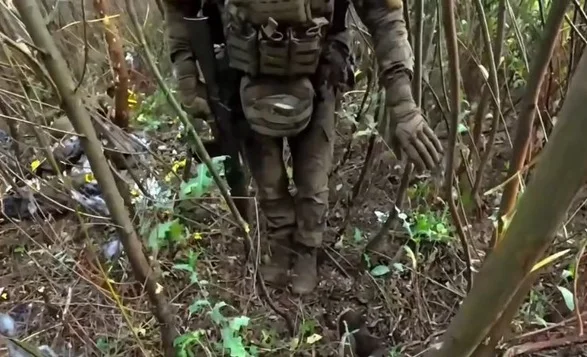
Video: A Russian Kh-101 cruise missile explodes in Poland.
Could NATO intercept Russian missiles over Ukraine?
This proposal represents a significant change in how NATO responds to threats approaching its eastern members. Instead of intercepting missiles only after they enter allied airspace, NATO aircraft or other air defense systems could potentially intercept them over Ukraine.
Such an operation would require clear rules regarding military authorization, target identification, and responsibility for any escalation. This would also mean the use of NATO weapons against Russian military targets in Ukrainian airspace.
This possibility carries serious risks. Moscow could interpret NATO’s direct involvement in intercepting its weapons as an escalation of the conflict. Thus, the alliance will face a difficult balance between protecting its members and preventing a direct confrontation with Russia.
Poland has already requested stronger protection from its NATO partners. Following the November 20 incident, the alliance agreed to deploy an AWACS airborne early warning aircraft to Poland and to consider additional defensive capabilities.
However, strengthening defenses within NATO territory is not the same as conducting interceptions over Ukraine. An agreement authorizing such operations has not yet been announced.
Nevertheless, Sikorski’s proposal again raises a delicate question: should NATO wait for Russian missiles to cross its borders or stop them before they reach them. The answer to this question could have serious implications for the future of European security.