Global Inequality: Billionaires Set New Wealth Records While Elite Influence Expands
The divide in global wealth inequality continues to widen dramatically. Oxfam’s annual report, titled “Resisting the Rule of the Rich” and released just ahead of the World Economic Forum in Davos.
Billionaire wealth reached an all-time high in 2025. The planet’s richest individuals amassed unprecedented fortunes while billions struggle with poverty and food insecurity.
Key Findings on Global Inequality in 2025
- Total billionaire wealth surged by more than 16% in 2025 — three times faster than the average over the previous five years.
- Billionaires’ combined fortunes hit a record $18.3 trillion USD, up $2.5 trillion in a single year.
- Since 2020, billionaire wealth has grown by 81%.
- The number of billionaires exceeded 3,000 for the first time.
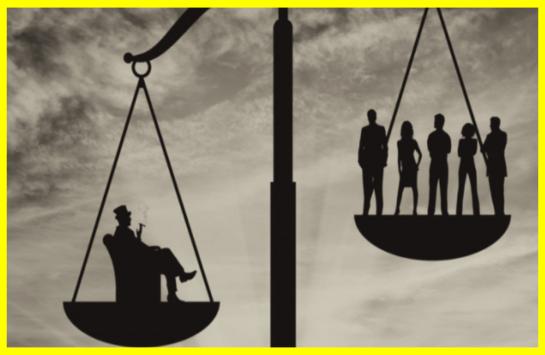
- The wealthiest 1% now own roughly 44% of global assets, while nearly half of humanity (over 4 billion people) holds less than 1%.
- The $2.5 trillion increase in billionaire wealth alone could eradicate extreme poverty worldwide 26 times over.
Elon Musk and Other Stark Examples of Wealth Concentration
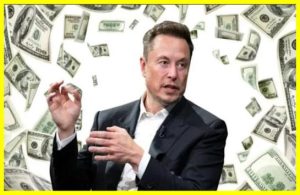
The most striking case is Elon Musk, the first person ever to surpass $500 billion in personal wealth. According to Oxfam, Musk earns in seconds what the average person makes in an entire year.
Additionally, hate speech on the platform X (formerly Twitter) rose by about 50% after his acquisition.
Other billionaires, including Jeff Bezos (owner of The Washington Post) and Patrick Soon-Shiong (owner of the Los Angeles Times), control major media outlets, further amplifying their sway over public discourse.
Political Inequality: How Extreme Wealth Translates to Power
Oxfam highlights the dangerous link between economic and political inequality. Billionaires are 4,000 times more likely to hold political office than ordinary citizens. They own more than half of the world’s largest media companies and dominate all major social platforms.
This concentration leads to:
- Eroding democratic standards in highly unequal countries (a sevenfold higher risk of democratic backsliding).
- Suppression of free speech and protests (over 140 major anti-government protests recorded in 68 countries in 2024).
- Cuts in aid to poorer nations, potentially causing millions of additional deaths by 2030.
Global Consequences of Rising Inequality
As elite fortunes balloon, nearly a quarter of the world’s population (28%) faces food insecurity, and almost half live on less than $8.30 per day (purchasing power parity). Progress in reducing poverty has stalled, and extreme poverty is actually increasing in Africa.
Oxfam’s Recommendations to Reduce Inequality
Oxfam urges governments to take decisive action:
- Develop national inequality-reduction plans with clear timelines and monitoring.
- Implement effective taxation of the super-rich, including progressive taxes on income and wealth.
- Erect stronger barriers between wealth and politics: limit lobbying, cap campaign financing, and ensure media independence.
- Protect citizens’ rights to free speech, assembly, and association.
Rising income inequality and the concentration of power in elite hands threaten democracy and global stability. Oxfam’s report makes it clear: the time to act and return power to ordinary people is now.