China’s Rare Double Rocket Failure: Long March 3B and Ceres-2 Missions Fail Within Hours on January 17, 2026
On January 17, 2026, two separate launch attempts ended in failure just hours apart: the government-operated Long March 3B and the privately developed Ceres-2 from Galactic Energy. This marks the first such double incident in years for the country.
The events were reported by official Chinese media outlets, including Xinhua and China Daily (Long March failure report; Ceres-2 failure report). Such simultaneous failures are exceptionally rare, especially given China’s record of over 100 successful launches in 2025 alone.
Long March 3B Incident: Loss of the Shijian 32 Satellite
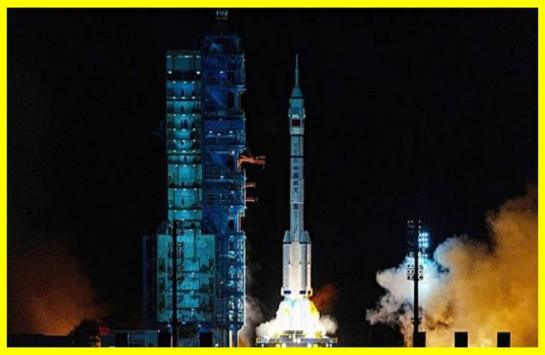
The first failure occurred early on January 17 from the Xichang Satellite Launch Center. The Long March 3B/E rocket lifted off at 00:55 Beijing time, carrying the experimental Shijian 32 satellite — a multi-purpose platform for technology demonstrations.
An anomaly on the third stage prevented the payload from reaching its intended orbit, resulting in a complete mission loss. This is one of the few recent setbacks for the reliable Long March family, which boasts a success rate above 95%.
Ceres-2 Debut Ends in Disaster
Later the same day, from the Jiuquan Satellite Launch Center, Galactic Energy attempted the maiden flight of its new solid-fuel Ceres-2 rocket. The vehicle was designed to place six small satellites into orbit.
Although the initial liftoff appeared normal, the rocket soon lost stability, tumbled, and was completely destroyed upon impact. Galactic Energy has confirmed an ongoing investigation into the cause.
This failure is a significant blow to China’s growing commercial space sector. The company previously experienced issues with its smaller Ceres-1 rocket in late 2025, and Ceres-2 was viewed as a promising option for rapid, cost-effective launches.
Broader Impact on China’s Space Ambitions
The back-to-back incidents could temporarily delay key initiatives, including the expansion of China’s orbital station, lunar exploration missions, and large-scale satellite constellations for communications and Earth observation. The private sector, where competition is intensifying, may face particular scrutiny.
Industry observers note that launch failures are an inherent part of space development. China has historically responded quickly to setbacks, improving reliability in subsequent missions. Investigations are expected to conclude soon, paving the way for resumed operations.
Context: China Remains the Global Launch Leader
Despite these rare failures, China continues to lead the world in orbital launch attempts. In 2025, the country surpassed the US and Russia with more than 100 missions.
The rise of private players like Galactic Energy, LandSpace, and iSpace is adding further momentum to the nation’s space efforts.
Upcoming launches are already scheduled for February 2026 — stay tuned for updates on China’s rapid recovery.