Thousands of 210-Million-Year-Old Dinosaur Footprints Discovered in Stelvio National Park, Italian Alps
How the Dinosaur Footprints Were Discovered
In September 2025, wildlife photographer Elio Della Ferrera spotted unusual markings on a near-vertical rock face in the Fraele Valley while using binoculars to photograph deer and bearded vultures.
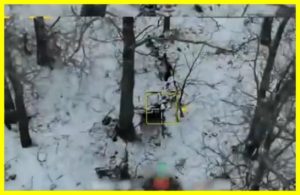
The next day, a team of researchers, park officials, and carabinieri confirmed the find using drones to survey the remote, high-altitude site.
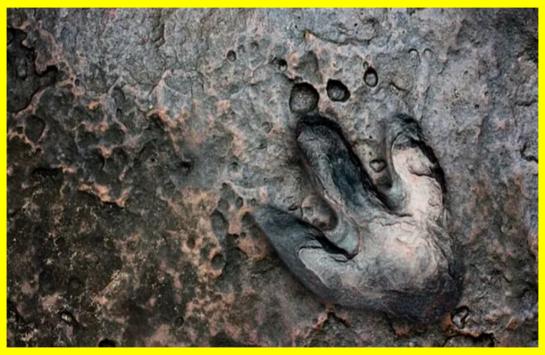
The dinosaur tracks stretch across approximately 5 kilometers of steep rock walls, with individual prints up to 40 cm wide, clearly showing four claws.
What was once a horizontal tidal flat beside a warm ancient ocean (the Tethys) has been uplifted and tilted vertically by tectonic forces over millions of years.
What Kind of Dinosaurs Left These Tracks
Paleontologists, including Cristiano Dal Sasso from the Natural History Museum of Milan, attribute the footprints to prosauropods—long-necked, herbivorous precursors to the giant sauropods of the Jurassic era.
These bipedal dinosaurs could reach lengths of up to 10 meters and weigh several tons, similar to Plateosaurus.
The parallel rows of tracks indicate large herds moving in synchrony at a calm pace. Some patterns show the animals forming circular groups, possibly for protection against predators. Rare handprints suggest they occasionally rested on all fours.
The Scientific Significance of the Discovery
Dubbed a “Triassic Park,” this site in Stelvio National Park is hailed as one of the richest dinosaur track collections globally.
Located near Bormio, a venue for the 2026 Milan-Cortina Winter Olympics, it provides rare evidence of social behavior in Late Triassic dinosaurs.
Ongoing studies using drones and remote sensing will continue for years due to the site’s inaccessibility. The discovery highlights how the prehistoric coastal lagoons of the Alps teemed with life over 200 million years ago.
Source: Based on reports from La Repubblica, BBC, Reuters, and official announcements from the Lombardy region (December 2025).