Mysterious giant bubble in our galaxy
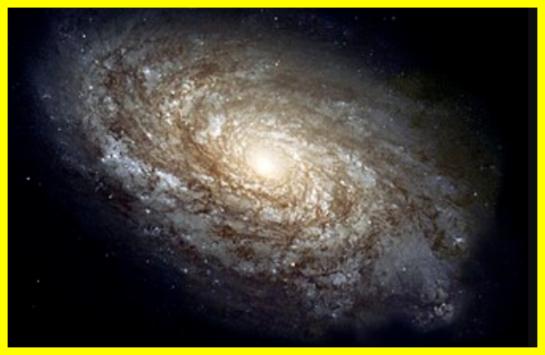
Astronomers from the Swedish University of Technology have discovered a giant bubble of gas and dust—the largest such structure known in our galaxy.
The mass of the ejected material is comparable to that of the Sun, and the bubble itself stretches for 1.4 light-years. The work has been published in the journal Astronomy and Astrophysics.
“We were surprised when we saw the ALMA data. This star is almost a twin of Betelgeuse, but it is surrounded by a huge chaotic cloud of matter,” said Mark Zierit, who led the study.
It is estimated that the matter was ejected about 4,000 years ago as a result of a powerful outburst during which the star shed part of its outer layers.
Such events usually precede a supernova explosion, but DFK 52 still exists, which remains a mystery to researchers.
An analysis of the movement of molecules in the cloud by specialists showed that the bubble continues to expand.
Red supergiants like DFK 52 are rare and bright stars that are nearing the end of their life cycle.
In the future, they are expected to explode as supernovae. Scientists do not rule out that this star could be the next “cosmic flash” in our galaxy.