Hanbit-Nano Rocket Failure: South Korea’s Debut Commercial Orbital Launch Ends in Crash in Brazil
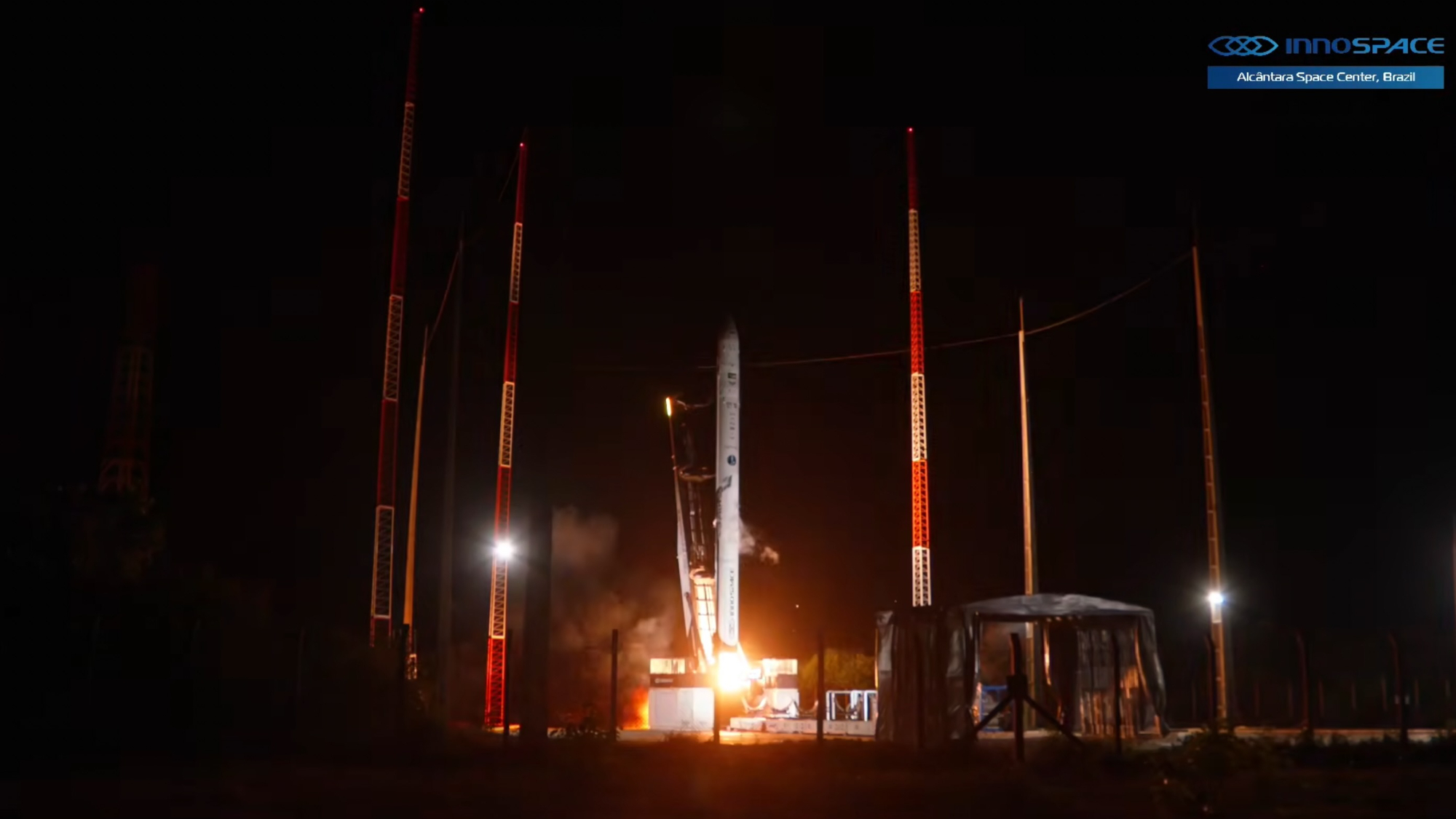
The Hanbit-Nano, South Korea’s pioneering commercial orbital rocket developed by private startup Innospace, suffered a major setback when it crashed just seconds after launching from the Alcântara Space Center in Brazil on December 22, 2025.
According to reports, the two-stage rocket lifted off successfully at 10:13 p.m. local time but experienced an anomaly approximately 30 seconds into the flight, causing it to fall back to the ground within a designated safety zone. No injuries or additional damage were reported.
Details of the Hanbit-Nano Launch Failure
The mission was intended to deploy five small satellites into a low Earth orbit at around 300 kilometers altitude, marking a historic achievement for South Korea’s private space sector if successful. Flames were visible shortly after ignition during the live stream, which was abruptly ended.

The launch had faced multiple delays, originally planned for November 2025, due to technical issues and adverse weather conditions. Innospace has initiated an investigation into the cause of the rocket launch failure.
While this incident represents a challenge for Innospace and South Korea’s growing commercial space ambitions, such setbacks are common in the early stages of new rocket development, as seen with other global players.
