US Declares Drones a Global Threat
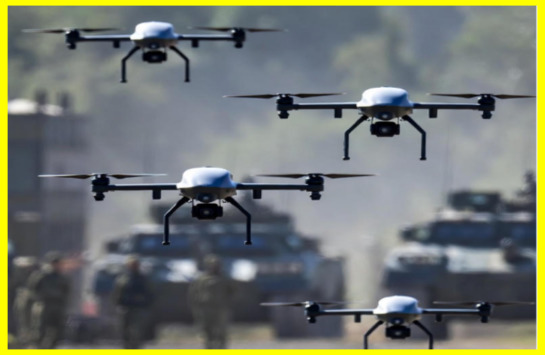
In the evolving landscape of modern warfare technology, unmanned aerial vehicles (UAVs) are emerging as one of the most perilous weapons, and the United States is sounding the alarm: drones represent a global-scale threat.
This stark warning came directly from US Army Secretary Daniel Driscoll during a CBS interview, where he stressed that building anti-drone defense systems is an unprecedented challenge for the military.
If you’re tracking military innovations, UAVs in Ukraine, or strategies to counter unmanned threats, this statement offers critical insights into the conflicts of 2025 and beyond.
Why Drones Are a Worldwide Menace: Driscoll’s CBS Insights
On CBS, Driscoll didn’t mince words about the dangers: “These are essentially improvised explosive devices. They’re inexpensive, can be 3D-printed at home, and slip across borders with ease.”
This affordability turns drone threats into a risk not just for battlefields but for civilian security worldwide. As federal leaders, the US must lead the charge against this peril, and Driscoll remains upbeat: “We’re optimistic and confident we’re on the right track.”
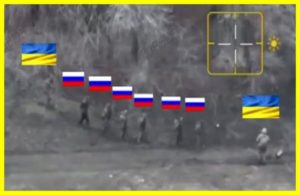
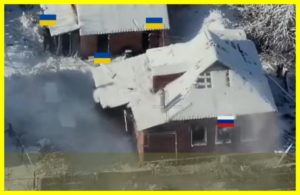
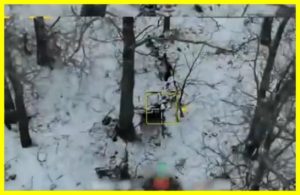
He spotlighted the Ukraine crisis, highlighting the “scale and speed of devastation” inflicted by drones. “We’re witnessing how UAVs are reshaping combat dynamics, demanding an immediate response,” he added.
According to Driscoll, countering drones calls for multi-layered defense: from electronic jamming to physical barriers. This isn’t rhetoric—the Pentagon is actively testing “every viable solution and tool” to neutralize these risks.
Source: CBS News – Driscoll’s interview about the global threat of drones.
Lessons from Ukraine: Why Single Solutions Fall Short Against UAVs
Drawing from real-world examples in the war in Ukraine, Driscoll pointed out the shift to cable-launched drones, which evade electronic warfare suppression.
“Traditional jamming won’t cut it here—it’s bringing back tools like net-droppers,” he explained, underscoring the need for a comprehensive anti-drone defense approach.
In Ukraine, experts note, UAVs have become “cheap mass killers,” delivering strikes with minimal cost and high impact.
Inspired by these battlefield realities, the US is pouring resources into cutting-edge tech: laser interceptors, AI detectors, and more.
Driscoll is convinced a layered strategy is the path to victory. “No single fix works if we’re only focused on jamming them,” he concluded. This blueprint could guide NATO allies and partners in tackling the global drone threat.
Outlook: US Leading the Charge in Anti-Drone Tech for 2025
Driscoll’s remarks signal a wake-up call: the era of anti-drone defense development is here. The Pentagon aims to embed these systems into routine operations, prioritizing speed and scope.
For military technology enthusiasts, this marks a paradigm shift where low-cost UAVs force a tactical rethink. Stay informed on defense breakthroughs—Ukraine remains a live testing ground for such advancements.